

World
37–42 M
estimated international child migrants.
UNICEF / IDAC (2025) · *2024: indicative range, not an official age-disaggregated estimate.
Every child counts
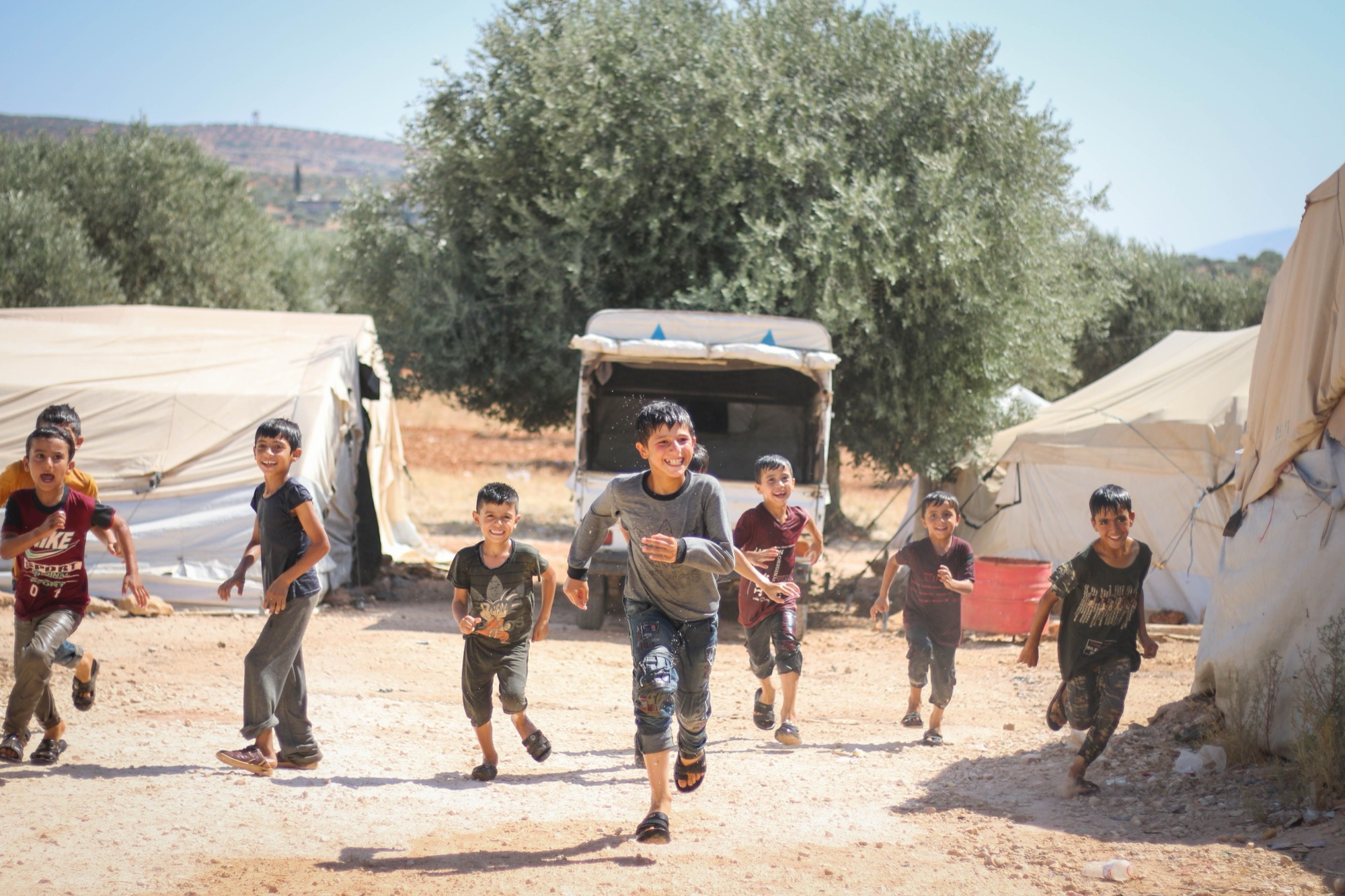
Child migration is one of the fastest-growing realities in the world. These figures reach a scale that is rarely well understood, and understanding them is the first step towards a serious response.
World
37–42 M
estimated international child migrants.
UNICEF / IDAC (2025) · *2024: indicative range, not an official age-disaggregated estimate.
European Union · 2025
21,125
unaccompanied minors who applied for asylum for the first time.
Eurostat · 2025
Switzerland · 2025
2,752
unaccompanied minors (UAMs) applied for asylum in Switzerland.
Switzerland is not part of the EU: these children are not included in the European figure.
Geneva · 2025
183
UAMs supported by the specialised service.
These are four distinct statistical populations, with possible overlaps. They should not be added together: each measures a different reality of children on the move.
The European picture
Over the past decade, the number of unaccompanied minors seeking asylum in the EU has multiplied. After the recent peak, the figures are falling, but they remain well above 2019 levels.
Unaccompanied minors applying for asylum in the EU
First-time applications per year. 2019–2025 series.
Beyond the curve, the underlying fact remains: every year, tens of thousands of children arrive in Europe alone. The scale changes; the need to integrate them does not.
The underlying problem
The figures show how many arrive. None show how many come to feel they belong.
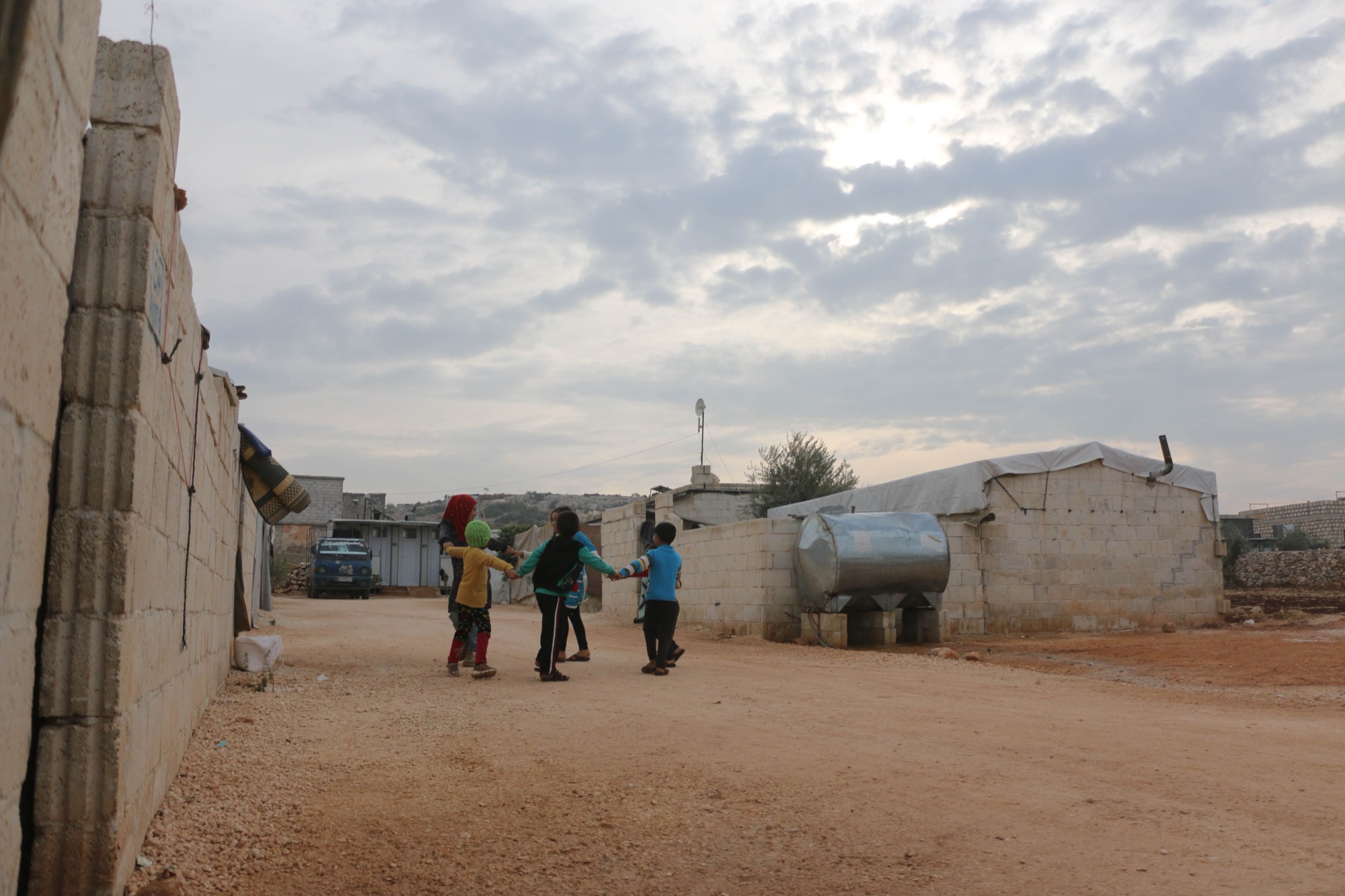
Protection systems work to keep these children safe, and that is essential. But safety is the beginning, not the end: a child can be protected and still be isolated, without friends, without a shared language, without a place to belong.
That gap —between arriving and belonging— rarely appears in reports, and it is exactly where ID4Children chooses to work.
Why now
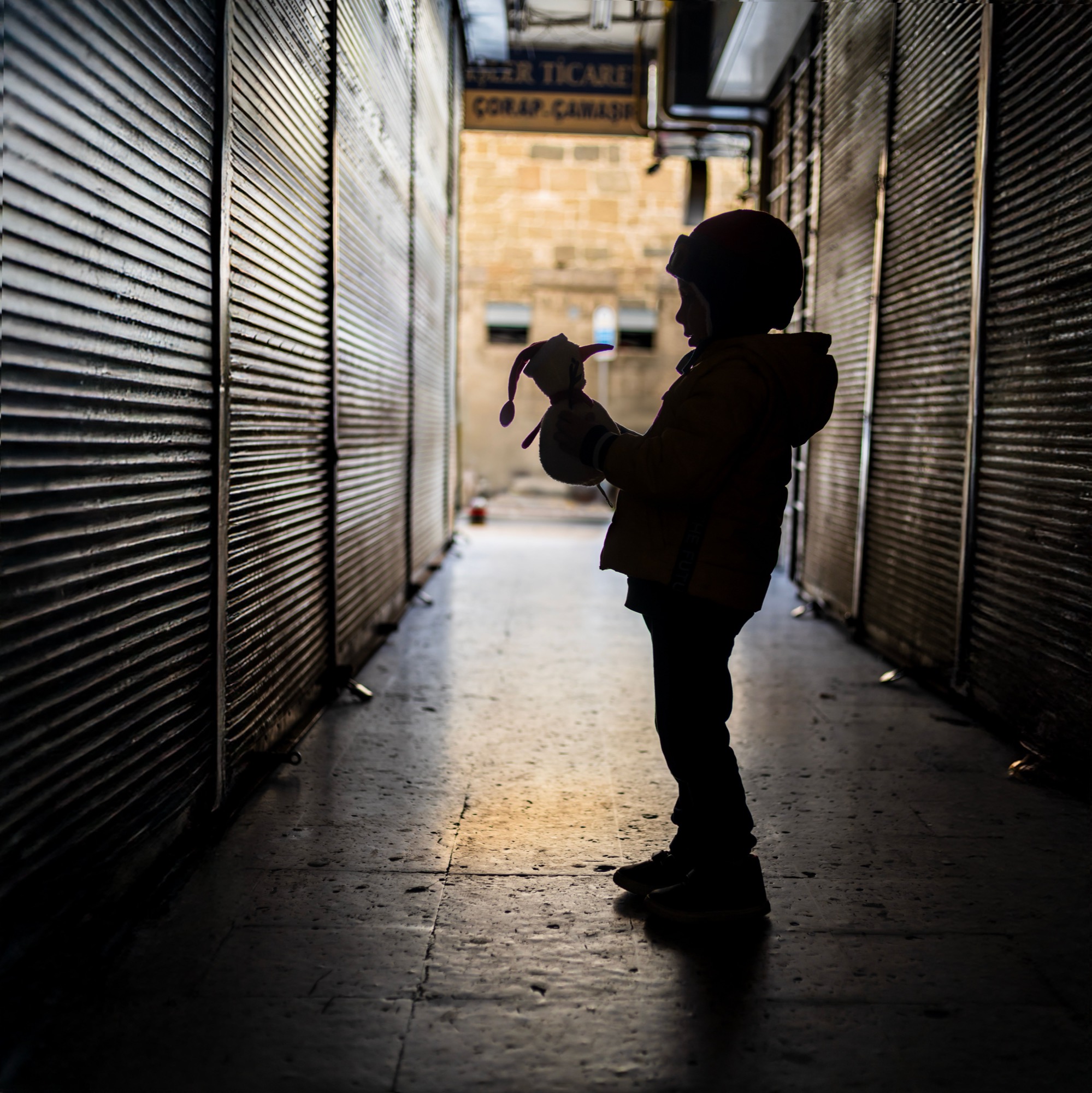
What a child experiences in their first years in a new place shapes their whole relationship with it.
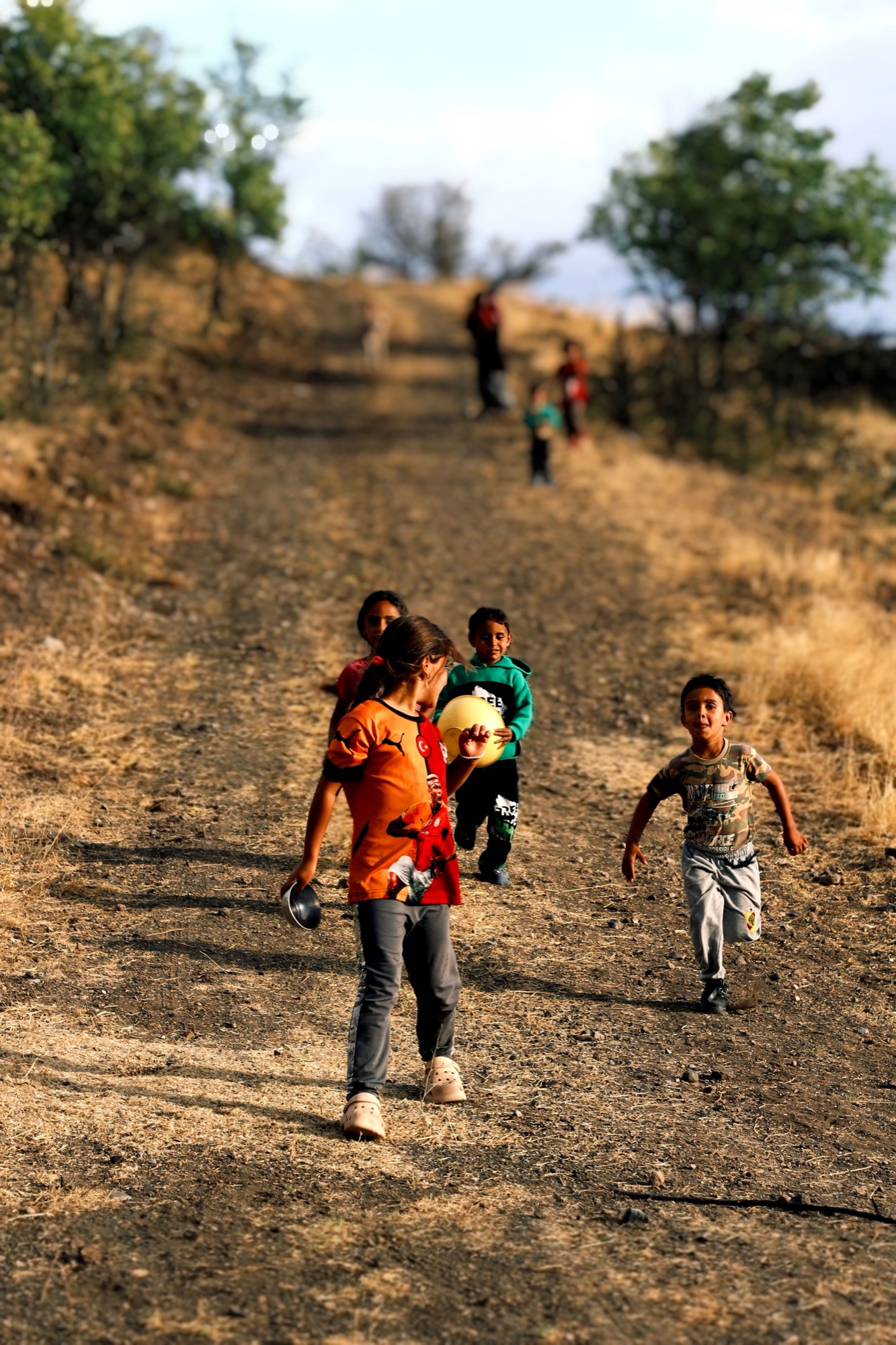
A child who, on arrival, finds friends, plays and takes part builds bonds that stay with them for the rest of their life. Early belonging translates into health, learning and a sense of rootedness.
When that opportunity does not come in time, isolation also becomes lasting. That is why acting in childhood is not just one option among many: it is the moment when everything is decided.
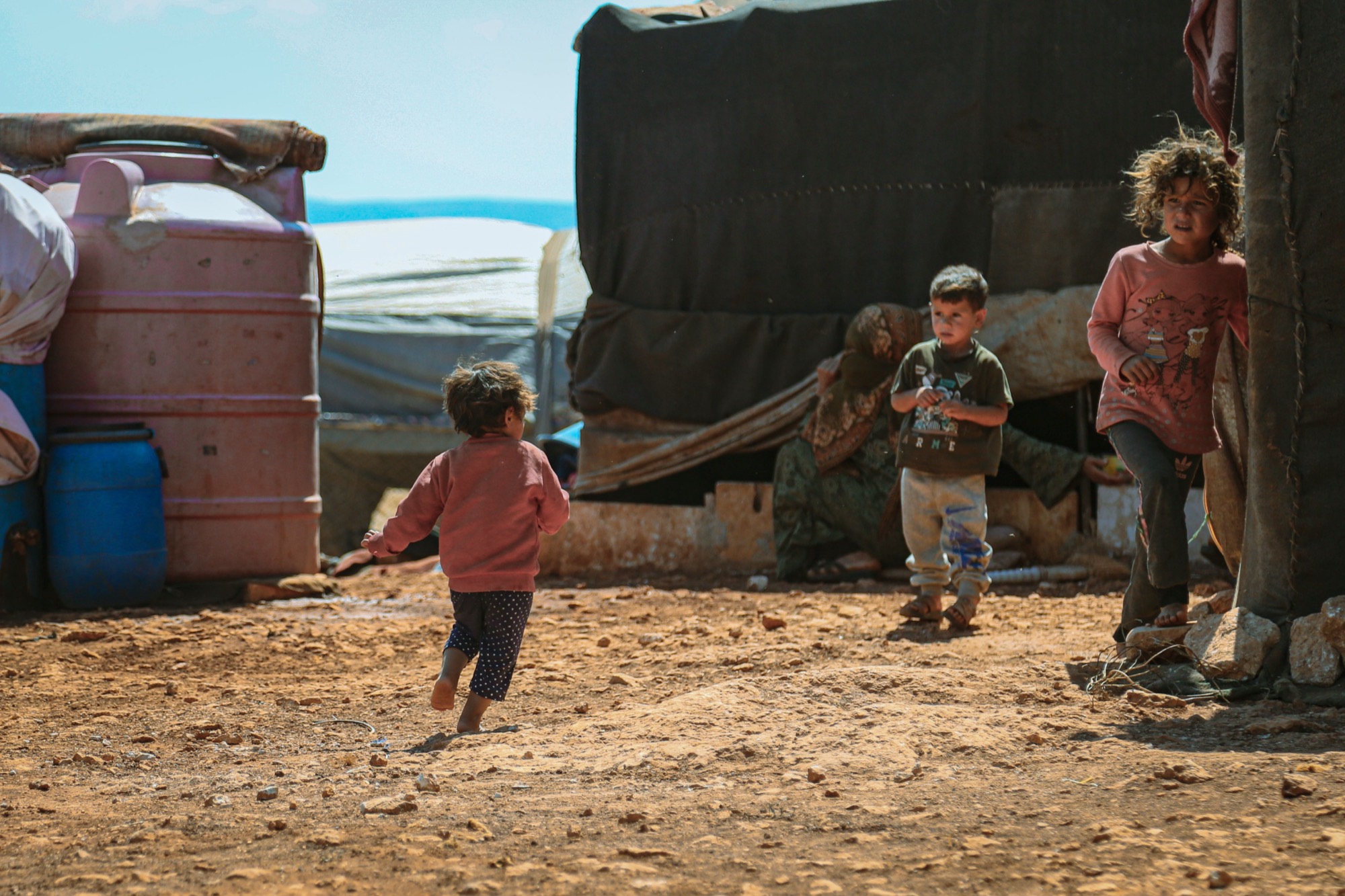
This is the problem. This is our response.